
Porcelain vs. Zirconia vs. Metal Crowns: What’s the Difference?
Dental crowns can restore the strength, function, and appearance of a damaged tooth, but not all crowns are made from the same material.
Porcelain, zirconia, and metal crowns each offer different advantages depending on the tooth being treated, your cosmetic goals, and your dentist’s recommendations.
The main differences between these crown materials are their appearance, strength, durability, cost, and typical use.
Porcelain Crowns
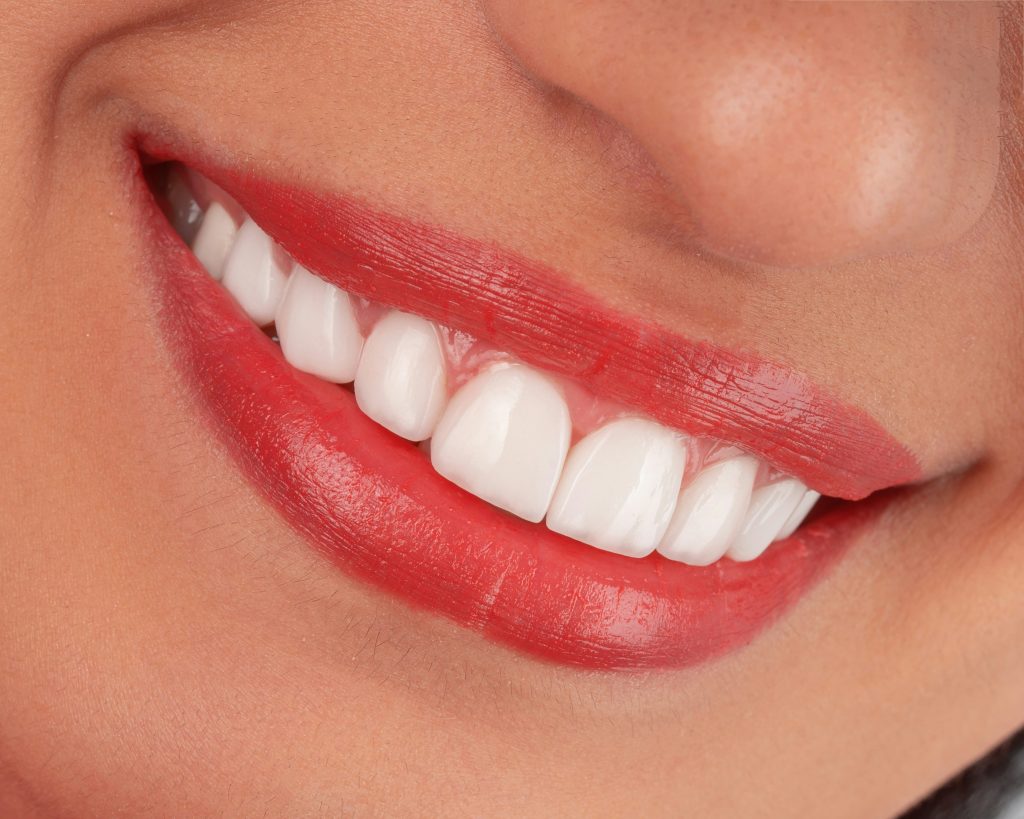
Porcelain, or all-ceramic, crowns are designed to closely resemble natural teeth. Their color and translucency make them especially popular for teeth that are visible when you smile.
Benefits of porcelain crowns:
- Provide a highly natural, lifelike appearance
- Excellent option for front teeth and other visible areas
- Metal-free and biocompatible
- Can be closely matched to surrounding teeth
Things to consider:
- May be more prone to chipping or cracking than zirconia
- May not be the first choice for patients who grind or clench their teeth
- Proper polishing and adjustment are important to help protect opposing teeth
Best for: Front teeth and patients who place a high priority on aesthetics.
Typical lifespan: Approximately 10 to 15 years or longer with proper care.
Zirconia Crowns
Zirconia is a type of high-strength ceramic that combines durability with a natural-looking appearance. Advances in dental materials have also made newer zirconia crowns more translucent and aesthetically pleasing than earlier versions.
Benefits of zirconia crowns:
- Exceptionally strong and resistant to fractures
- Tooth-colored for a natural appearance
- Less likely to chip than traditional porcelain
- Suitable for both front and back teeth
- In some cases, can be made relatively thin while maintaining strength
Things to consider:
- Some zirconia restorations may not have the same translucency as premium porcelain
- Proper polishing and adjustment are important because zirconia is a very hard material
Best for: Back teeth and many front teeth, particularly when both strength and appearance are priorities.
Typical lifespan: Approximately 15 to 20 years or longer with proper care.
Metal Crowns
Metal crowns may be made from gold or other dental alloys. Although they do not provide a tooth-colored appearance, they have a long history of excellent durability and performance.
Benefits of metal crowns:
- Extremely durable and long-lasting
- Rarely chip or fracture
- May require less removal of natural tooth structure than some other crown materials
- Generally gentle on opposing teeth
Things to consider:
- Metallic appearance makes them less desirable for visible teeth
- Gold alloy crowns may cost more due to the price of the materials
Best for: Back molars that are less visible when smiling, particularly for patients who grind or clench their teeth.
Typical lifespan: Metal crowns can last 20 years or longer, and some may remain functional for several decades with proper care.
Which Type of Dental Crown Is Best?
There is no single crown material that is best for every patient or every tooth. Your dentist will consider the location and condition of the tooth, your bite, cosmetic preferences, oral health, and habits such as teeth grinding when recommending a crown material.
For many adults:
- Front teeth: Porcelain or highly aesthetic zirconia may be recommended when a natural appearance is especially important.
- Back teeth: Zirconia is a popular option because it offers an excellent combination of strength, durability, and appearance.
- Patients who grind or clench: Zirconia or metal crowns may be considered. Your dentist may also recommend a night guard to help protect your teeth and restorations.
- Temporary restorations: The material used depends on the clinical situation. Acrylic or composite materials are commonly used for temporary adult crowns, while stainless steel has specific temporary and pediatric applications.
Choosing the Right Crown for Your Smile
Zirconia has become a popular choice because it combines excellent strength with a tooth-colored appearance, making it suitable for many different situations. Porcelain remains an excellent option when achieving the most lifelike appearance is a primary concern, particularly for visible front teeth.
Metal crowns continue to offer exceptional durability and may be appropriate for back teeth where appearance is less important. Stainless steel crowns are most commonly used in pediatric dentistry and for select temporary applications.
Ultimately, the right crown depends on the individual tooth and your specific dental needs. Your dentist can evaluate your tooth, bite, and treatment goals to recommend the crown material that offers the best balance of appearance, strength, and longevity for you.